Bilans d’évènement
ESG Committee @ CopenHill: the EmpCo directive and a tour inside Denmark's waste-to-energy plant
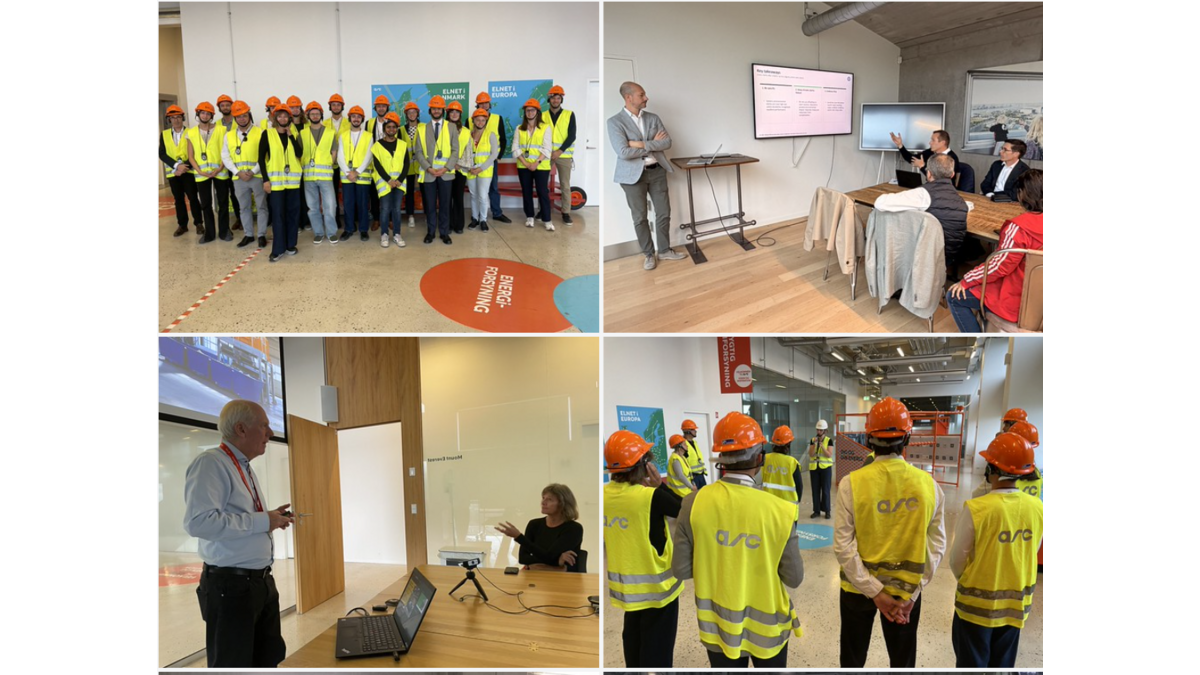
On 17 September, the CCFD ESG Committee spent a half day at CopenHill, the waste-to-energy plant that doubles as Copenhagen's only and most unusual ski slope.
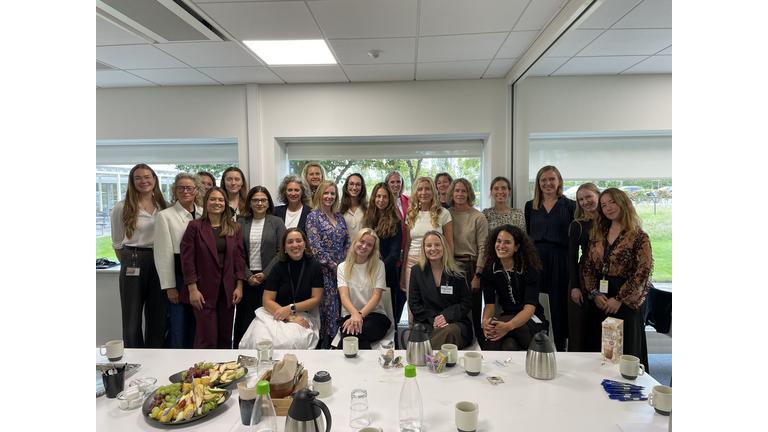
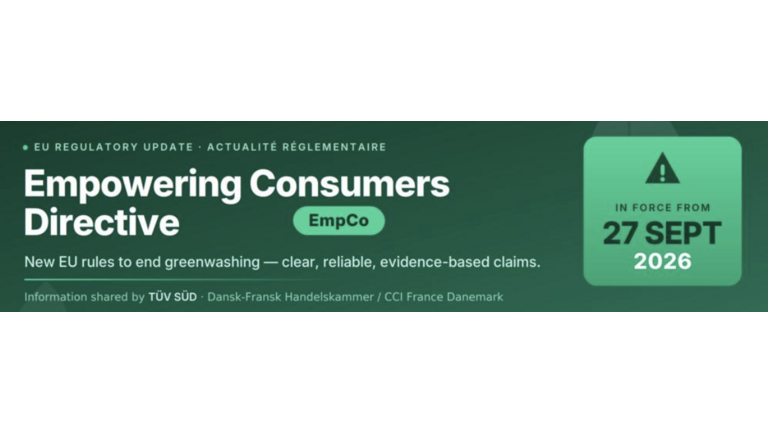
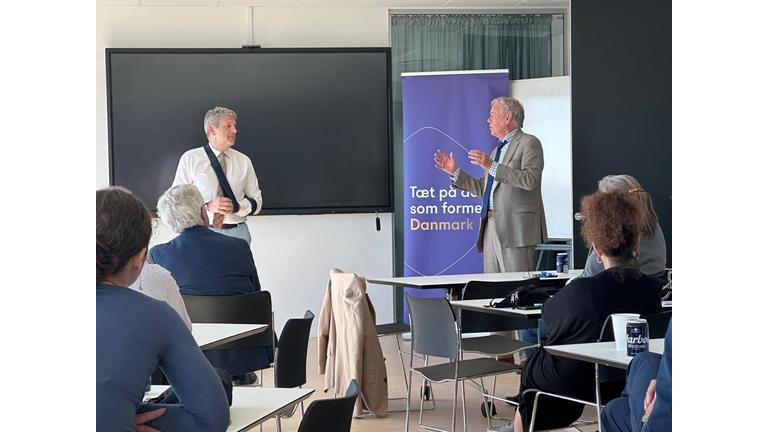
The afternoon visit started with a Committee meeting on the EmpCo Directive, presented by our new partner TÜV SÜD, with thorough expertise in the topic. Stephanie Bret-Morel, Sustainability Business Development Director Europe, and Matteo Simonetto, Sustainability Manager Western Europe, provided the committee with important insight into the directive, practical examples of do's and dont's, as well as easy-to-miss details. The members had great discussions and exchanges on the regulatory changes this directive brings for companies that communicate on their sustainability efforts. If you wish to know more about how to manage the EmpCo directive for your company, you are welcome to reach out to them by contacting us directly.
We were fortunate that newly arrived French Ambassador, David Bertolotti, graciously joined the group for this meeting, as well as ARC's presentation and the guided tour that followed.
Flemming and Iben from ARC walked us through what the plant actually does. On average, Denmark counts for 787 kg of waste a year per person. In 2024, ARC incinerated 610,000 tonnes of it. The numbers behind the building are just as striking: it took EUR 545 million to build, and it produces 298 GWh of electricity (enough for 99,000 households) and 1,383 GWh of district heating (enough for 92,000 households) - numbers from 2024. Amager Bakke alone covers 23% of heating demand in the CTR area and 5% of Copenhagen's electricity. Since 2023, the plant also captures CO2 from its own smoke. A demonstration unit has been catching 4 tons a day, 1,460 tons a year, with a potential of 500,000 tons annually at full scale. Some of that captured CO2 is being tested as a permanent additive in concrete blocks in Finland, an alternative to storing it underground. The rest could end up in greenhouses, in the fizz of a soda or a beer, or split into hydrogen for jet fuel and methanol.
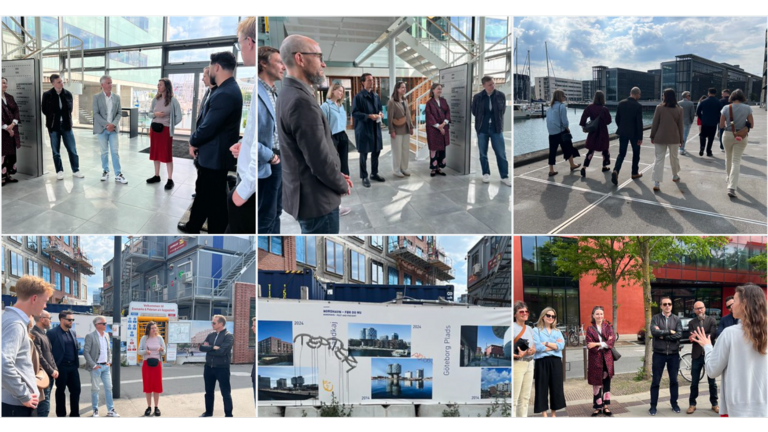
The guided tour took the group from waste reception through the silo, the furnace and boiler, and the flue-gas cleaning system: the same journey every bag of household waste makes before it becomes electricity, heat, or recovered CO2.
ARC's closing message stuck with the group: waste management is a shared responsibility, and sorting is where it starts.
Thanks a lot to TÜV SÜD for their expertise and to ARC for the guided tour. Thanks also to the Embassy and M. Ambassador for participating, and to Thomas N. Canguilhem, Chairman of the CCFD and CEO of EcoTree, for leading the meeting.
See more photos by clicking the grid of photos above or here.